Thursday, September 30, 2010
Breaking News: 2011 Foundry Photojournalism Workshop
Eric Beecroft has just announced that the Foundry Photojournalism Workshop will take place in mid July 2011 in beautiful Buenos Aires, Argentina!
The tuition is $500 for regional students (Mexico, and all countries south to Tierra del Fuego; including Caribbean nationals, and $975 for non-regional students. Early registration is available for a non-refundable $100 via Paypal only. The early registration guarantees a spot and places the payer in the front of the line for class choice. Scholarships will be announced shortly.
The instructors' line up include:
Kael Alford
Walter Astrada
Andrea Bruce
Michael Robinson Chavez
Tewfic El-Sawy
Ashley Gilbertson
Ron Haviv
Henrik Kastenskov & Poul Madsen (Bombay Flying Club)
Jared Moosy
Maggie Steber
Ami Vitale
Adriana Zehbrauskas
Breaking News: 2011 Foundry Photojournalism Workshop
Eric Beecroft has just announced that the Foundry Photojournalism Workshop will take place in mid July 2011 in beautiful Buenos Aires, Argentina!
The tuition is $500 for regional students (Mexico, and all countries south to Tierra del Fuego; including Caribbean nationals, and $975 for non-regional students. Early registration is available for a non-refundable $100 via Paypal only. The early registration guarantees a spot and places the payer in the front of the line for class choice. Scholarships will be announced shortly.
The instructors' line up include:
Kael Alford
Walter Astrada
Andrea Bruce
Michael Robinson Chavez
Tewfic El-Sawy
Ashley Gilbertson
Ron Haviv
Henrik Kastenskov & Poul Madsen (Bombay Flying Club)
Jared Moosy
Maggie Steber
Ami Vitale
Adriana Zehbrauskas
Look for a Tree when you Travel
It is interesting that after 2000 years of monotheism, after entire lives of atheistic education etc, we all remain pagans in that place of our souls where there are our roots. Tender relations with the big trees come from there.
Our ancestors believed that deities lived in the trees. Trees themselves were images of human virtues and negativities. It's clear that the conditions of the life were criterions for the choise of the tree -there were not palms in northen catolic countries, for example, and we use firtrees to replace them.
Central- and north-European populations thought the main forces populated crowns of the oaks. Those were King-trees. So, that mani royalities had oaks in their gardens. And the ribellious, when they wanted to hit their governors, kept going at their trees even in the modern times.
In the Middle Ages, the agressors took care to go in the most important for the country places like churches etc where, strangely enough, grew the big trees, to annihilate those trees.
Oak was center of the Universe, Ideal world, world itself.
«Свидетель былых времён» на Яндекс.Фотках
If the oak was personification of the power, manhood, strength, Pines were a kind of antenna, axis, connecting this world with that celestial. A symbol of ethernity (evergreen) and longevity. Pines were used for funeral fire.
«В гордом одиночестве» на Яндекс.Фотках
I omit other trees like birch, symbol of youth, spring and verginity, for not too mach place in a post, to pass to a personification of the bad (not negative) forces. Even for pagans "black and white" were only sides of entire fenomenon. Aspen. This tree's sawn end becomes blue and it signify death. And the deity of the death lived in the crown of this tree. That is why it was forbidden to hide under it. But it protected from evils of all kinds. Included insects (fen-cricket) that could destroy the gardens (making a fence from asp around it).
«Даль туманная....» на Яндекс.Фотках
Far from us cultures had similar behaviour. I did not find information about the deestruction of the trees of the enemies, maybe my friends from Asia coul help me with their tales. For Muslim, planting mulberry tree or plane tree was very appreciated by Allah action.
So, if you visit an other country, look what trees are venerated by the population to understand their soul.
__________________________
Want to become a reporter assignment and to partecipate on the inauguration of the biggest cruise ship? Send your video till October 10. Details in "The Marvelous World of Travel"
There are some free cabins else with the discounts till $630 for those who dreams to visit Southern Caribbean (02/26,2011; 03/12,2011; 04/16,2011; 11/06,2011), Pacific Northwest (05/03,2011, 05/14,2011,) and Alaska (05/20,2011; 06/03,2011; 06/05,2011; 09/16,2011; 11/06,2011). If you are interested, contact me (liudmila@lazy-yogi.com or writing a comment here) -it's an exclusive offer and you will not find it in other places.
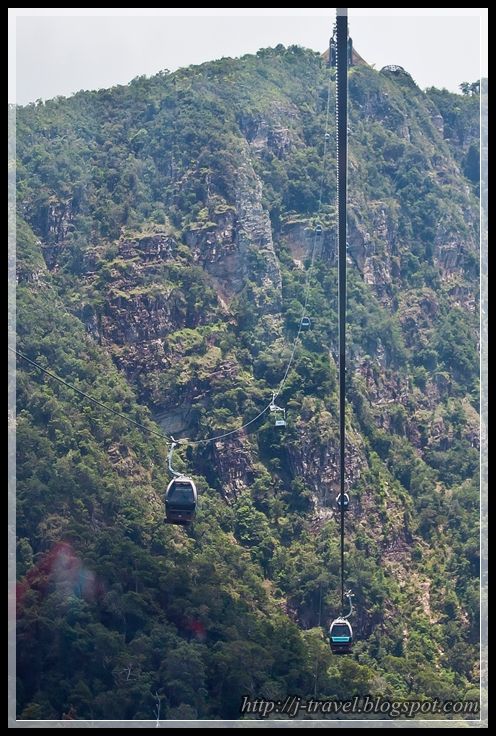
The Langkawi Cable Car at Langkawi Island.
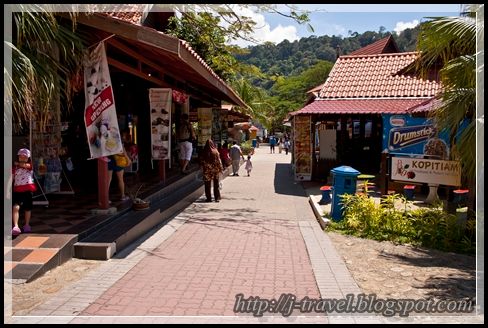
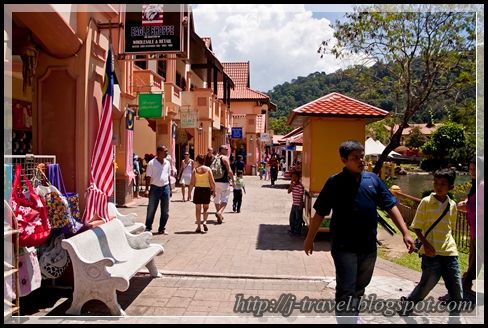
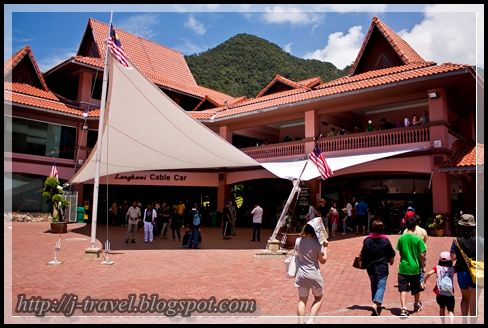
The Langkawi Cable Car Station (N6 22.273 E99 40.296) is located in the Oriental Village of Langkawi. The distance is approximately 26km from Langkawi Grand Continental Hotel, Kuah town, the journey took about 30-40 minutes. Vehicles parking and admission is free.
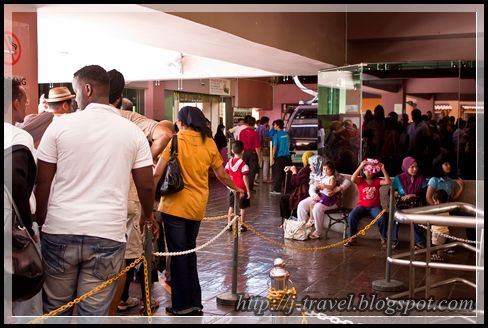
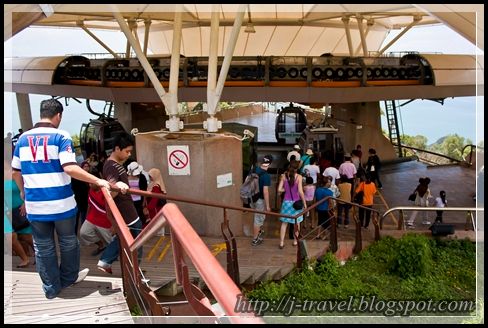
After about 100 meters walking from the entrance, we saw the Cable Car Station just situated on the left. Wah! It was a Long Queue!
The admission fees of the Langkawi Cable Car :-
Operating Hour :-
** Last admission at 7:00pm and last trip down at 7:45pm
Visitors are advise to call before visiting to avoid disappointment.
Tel : +604-9594225
There will be a Middle Station for you to stop for panoramic view on the platform and continue to the Top Station of Mount Machinchang.
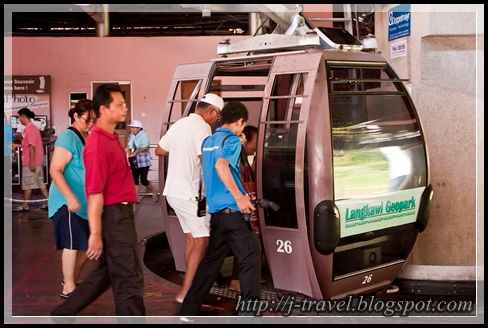
Well, despite the hot weather and the long queue, we bought the tickets and queue! Although the queue was long, but it only took about 10 minutes for us to got into the Gondola! That was Fast! Great!
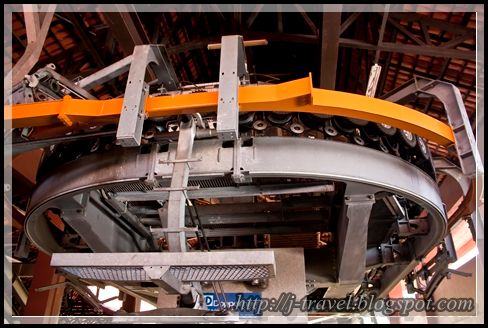
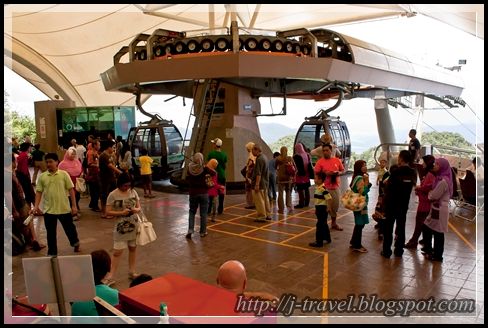
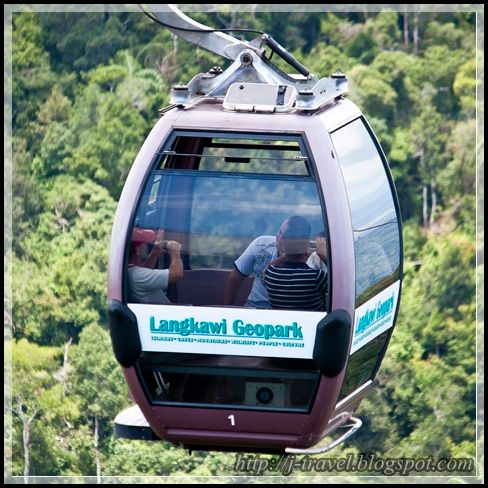
The gondolas slow down when it arrive to the station, it's more than enough time for the passengers to step out slowly and even enter! Before the gondolas getting our of the station, there was a photographer to take photos of the passengers, but you can refuse it!
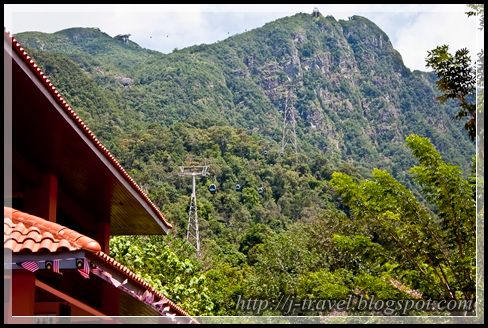
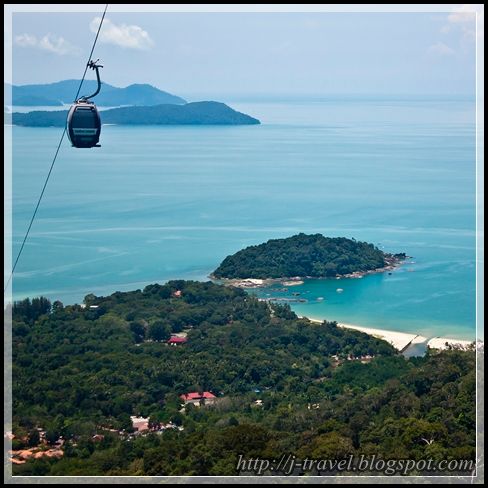
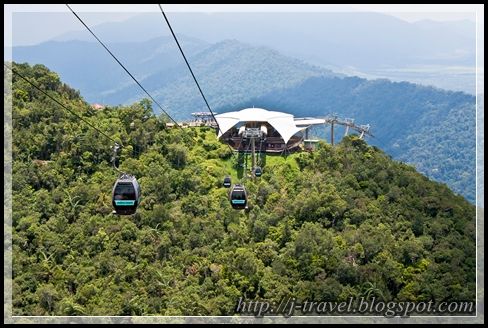
We were in the gondola and hike up to the Mount Machinchang of Langkawi Island! It was a pleasant journey and it only took 10 minutes to reached the Middle Station. The Seven Well Waterfall was clearly appeared during the journey...
Do you notice the climbing degree of the cable car?! :)
We had a stop at the Middle Station for photography and continue to the Top Station.
It was an Exciting ride for the total of 2.2km in 17 minutes!! Especially when the gondola approaching the Middle Station, the gondola was facing the Limestone Mountain! And it being pulled up almost Vertically with high speed to reached the station! Wah! Unforgettable experience! (You can refer from the photos above after we got into the gondola)
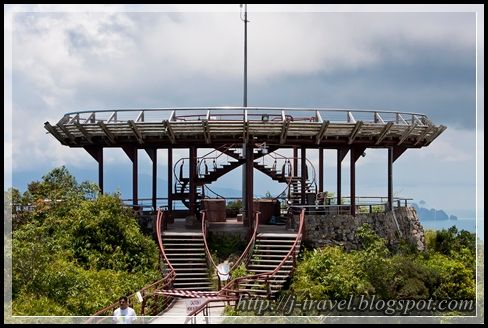
We walked to the 360 viewing platform on the left of the station after a small rest...the weather was extremely hot that day! Luckily there was a Ice-Cream stall at the platform.
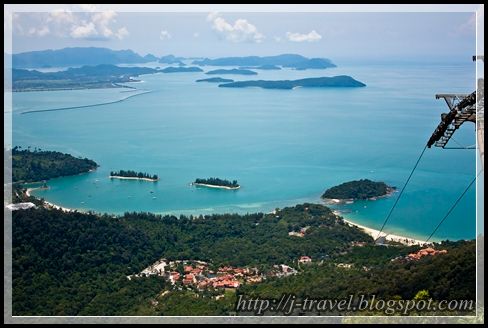
It was a double storey platform and I took my Ice-cream and enjoyed the Dramatic View of Langkawi Island on the 2nd level! That was a Great Enjoyment! (710 meter above sea level, reading from my GPS) Too bad the North platform was closed for maintenance during our visit....
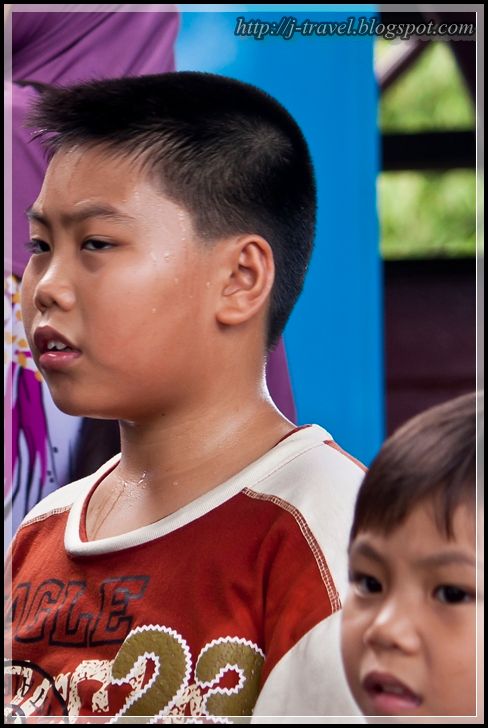
You can imagine the weather that day from the face of the poor little boy above. He was queuing for the Ice-cream for more than 30 minutes until a lady help him to get his ice-cream. He was being push out from the queue all the time! Very bad attitude of the tourists!
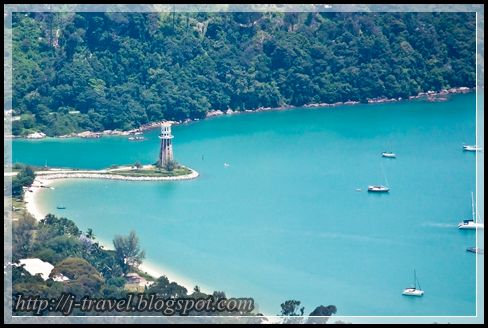
Another view of the Top Station. I spotted the Lighthouse (N6 21.838 E99 40.996) of Perdana Quay, Langkawi Island.
We spent an hour at the viewing platform and continue our journey to the Famous Sky Bridge (Hanging Bridge) of Langkawi Island!! Bye Mount Machinchang, and we will Never forget you!
The Langkawi Cable Car was awarded for ‘The Longest Free Span Single Rope Cable Car – Total In Length – 919.5 meter’ (One of the Steepest Gradient in the World – 42 degree.) and endorsed by The Malaysia Book Of Records. Beside that, it was also received the ‘Outstanding construction, architectural quality & technical proficiency of steel works’ from PRIX ACIER AWARDS 2005.
Related post :
* My Trip to Langkawi Island on September 2010
* Grand Continental Hotel at Kuah, Langkawi Island
* Underwater World of Langkawi Island
* Sunset Of Cenang Beach (Pantai), Langkawi Island
* The Lighthouse Restaurant at Tengah Beach (Pantai), Langkawi Island
* The Famous Sky-Bridge of Mount Machinchang, Langkawi Island.
* Restoran Nasi Kandar Tomato at Cenang Beach, Langkawi Island
* The Kilim Geoforest Park of Langkawi Island
* The Eagles Feeding at Kilim Geoforest Park of Langkawi Island
* The Fish Farm at Kilim Geoforest Park of Langkawi Island
* The Bat Cave at Kilim Geoforest Park of Langkawi Island
* Wonderland Seafood Store at Kuah Town, Langkawi Island
* Hole In The Wall Floating Restaurant at Kilim Geoforest Park, Langkawi Island
NYT's One In 8 Million Gets An Emmy
For those who don't know, the series is a collection of stories told with audio and photography that portray everyday New Yorkers. Unfortunately, it was only featured for 12 months...presumably because the creators didn't want it to go on any further, but I never found out the reason behind that.
Why would I devote a post on this, instead of just a Tweet? Well, apart from thinking it was extremely well produced, I used One in 8 Million as a teaching tool during my Introduction To Multimedia class with the Foundry Photojournalism Workshop in Manali (India) and in Istanbul.
I used the series as an example to stress to my classes the need for simplicity (the "keep it simple" doctrine), the need to humanize the story and the need for brevity. Whichever one of the series that the class attendees watched, they unanimously agreed that these were inspirational.
From reading the interview conducted by James Estrin with the staff photographer Todd Heisler, the senior multimedia producer Sarah Kramer, and the photo editor Meaghan Looram, I learned that the audio was recorded before the photography took place..I didn't know that, and I am certain to share this interview with my future classes.
A very well deserved recognition!
NYT's One In 8 Million Gets An Emmy
For those who don't know, the series is a collection of stories told with audio and photography that portray everyday New Yorkers. Unfortunately, it was only featured for 12 months...presumably because the creators didn't want it to go on any further, but I never found out the reason behind that.
Why would I devote a post on this, instead of just a Tweet? Well, apart from thinking it was extremely well produced, I used One in 8 Million as a teaching tool during my Introduction To Multimedia class with the Foundry Photojournalism Workshop in Manali (India) and in Istanbul.
I used the series as an example to stress to my classes the need for simplicity (the "keep it simple" doctrine), the need to humanize the story and the need for brevity. Whichever one of the series that the class attendees watched, they unanimously agreed that these were inspirational.
From reading the interview conducted by James Estrin with the staff photographer Todd Heisler, the senior multimedia producer Sarah Kramer, and the photo editor Meaghan Looram, I learned that the audio was recorded before the photography took place..I didn't know that, and I am certain to share this interview with my future classes.
A very well deserved recognition!
Candace Feit: Orissa's Tribals
| Photo © Candace Feit -All Rights Reserved |
Her photographs of West Africa (she was based earlier in Dakar, Senegal) appeared in the The New York Times, Le Monde, Le Figaro, The Chicago Tribune, The Washington Post, and Time magazine, among others.
Candace has recently published more Indian photo stories, including this one on the Adivasis of Orissa. Orissa has one of the largest concentrations of tribal population in India, and according to a government census, they number around 7 million.They are neglected by the central government, and suffer from extreme poverty.
This has given rise to a fertile environment for the Naxalite anti-government movement, which exploits the vulnerability of the tribals, and forces then to take sides. In turn, the Indian government is battling this separatist movement, and the Adivasis find themselves in the middle of the conflict.
Candace Feit: Orissa's Tribals
| Photo © Candace Feit -All Rights Reserved |
Her photographs of West Africa (she was based earlier in Dakar, Senegal) appeared in the The New York Times, Le Monde, Le Figaro, The Chicago Tribune, The Washington Post, and Time magazine, among others.
Candace has recently published more Indian photo stories, including this one on the Adivasis of Orissa. Orissa has one of the largest concentrations of tribal population in India, and according to a government census, they number around 7 million.They are neglected by the central government, and suffer from extreme poverty.
This has given rise to a fertile environment for the Naxalite anti-government movement, which exploits the vulnerability of the tribals, and forces then to take sides. In turn, the Indian government is battling this separatist movement, and the Adivasis find themselves in the middle of the conflict.
Wednesday, September 29, 2010
Jeffrey Campbell
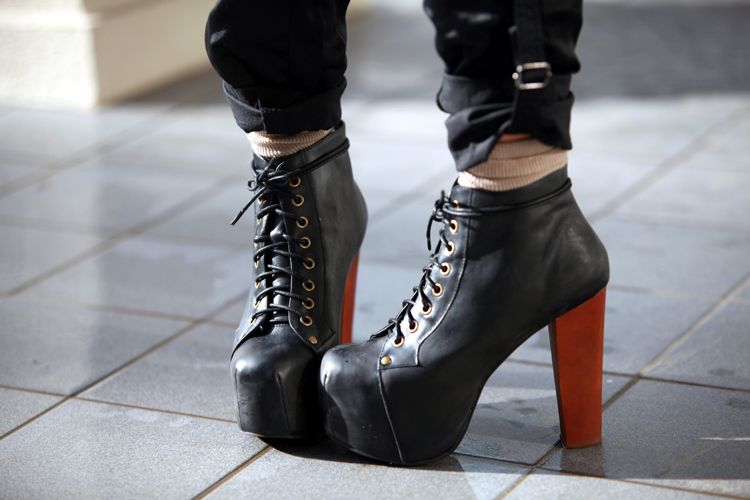
And these Miramar straps Platform wedges are from Freepeople, also Jeffrey Campbell. I love the straps. The shoes are amazingly light, comfy, and awesome. I love Jeffrey Campbell shoes!
HOME-COOKING.
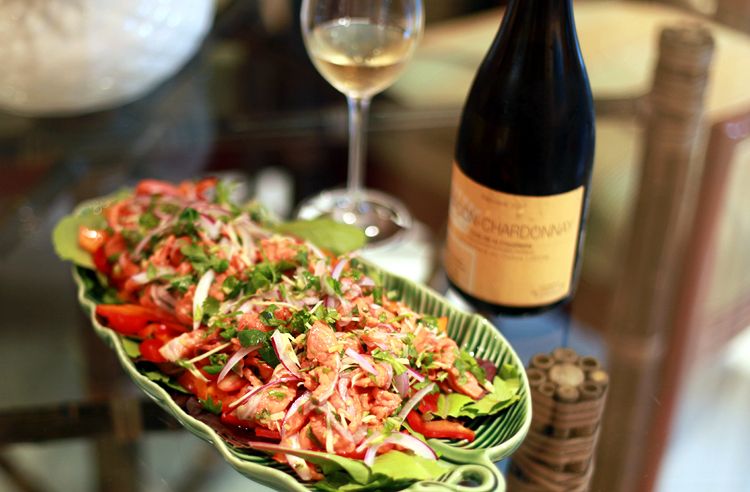
In Vietnamese cuisine, there is a dish called "Bo tai chanh", it means beef carpaccio cured with lemon juice. One day, I was tired of beef and wanted something different, but I wanted the same flavor as Bo tai chanh. Here is what I came up with: Fresh salmon carpaccio cured with lemon juice.
Here's what you need: sweet-sour fish sauce, 1 sliced red bell pepper, 1 sliced orange bell pepper (you could use any color bell pepper that you like), 1 medium side sliced red onion, a handful of cherry tomatoes (sliced them in half), a handful of chopped cilantro, a handful of chopped rice-paddy herb (called Ngo Om in Vietnamese), minced a handful of unsalted roasted peanuts, 8 oz of fresh lemon juice (I used about 6 large fresh lemon), a thin bed of mixed green salad in a large plate, and I sliced fresh sockeye salmon about 3 cups. The preparation as you see in the pic below. First, put sliced fresh salmon in 8 oz fresh lemon juice for 10'. During this time, you mix sliced bell pepper and sliced cherry tomatoes with 2 tablespoons sweet-sour fish sauce. Then, you even out this mix on top of the bed of mixed green salad. Pour over this bed the fish sauce which you use for the mixing as in the picture below.
After 10', you drain out the salmon from the lemon juice (to make sure it's comply drained). Transfer the salmon into a big bow. Now, add 1/8 teaspoon salt, 1/4 teaspoon concentrated fish sauce, sliced red onion, chopped peanuts, and 1 tablespoon sweet-sour fish sauce. Mix. After that, pour evenly over the top of the green salad-bell pepper-cherry tomatoes bed as you see in the picture below. There, you have a delicious, healthy salad. Enjoy it with a glass of white Burgundy!! Let me know how it turns out for you :) To make sweet-sour fish sauce: 1 tablespoon fresh lemon juice, 1 tablespoon concentrated fish sauce, about 3/4 tablespoon sugar, 2 tablespoon water. You could add more water depending on if you want it less or more salty. I use Viet Huong-Three Crabs brand fish sauce.
Thank you everyone for visiting and comments! Wishing you all a wonderful day!! Hug...Hanh :)
ps:I try to post once a week. I'll update to share my looks, food, places, etc...daily on twitter-lifeintravel. I'm thinking about facebook. I'll let you know if I have one :)
The Lighthouse Restaurant at Tengah Beach (Pantai), Langkawi Island
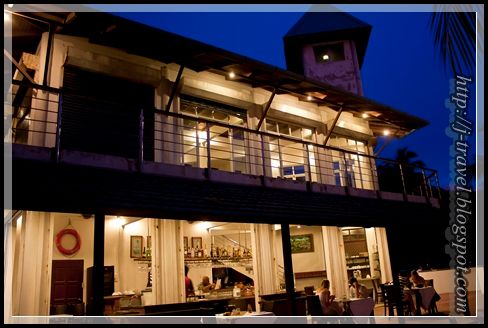
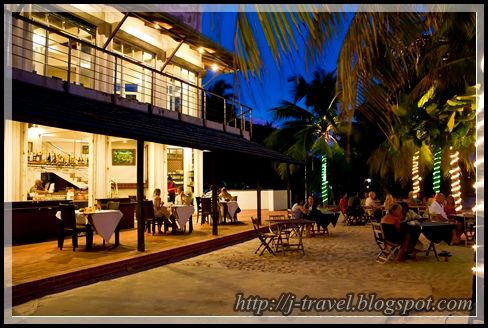
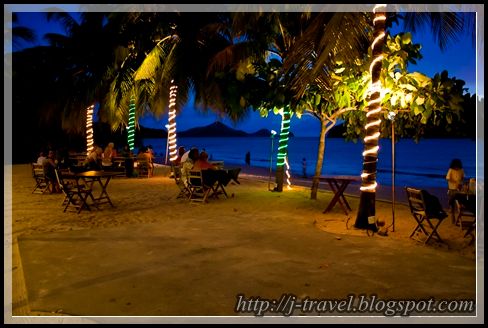
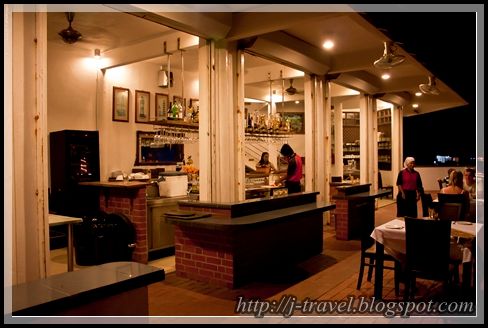
It was a 2 storey Mediterranean-style building. The environment was perfect! Beside the beach and cozy decoration. You can choose to dine in the restaurant or on the beach. We definitely choose the beach...
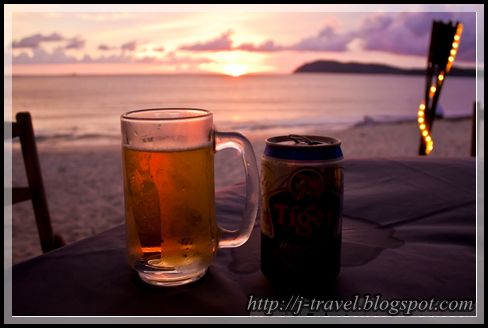
This was really a nice place...enjoying our dinner and accompany with the Beautiful sunset! I ordered a glass of Tiger Beer and continued to snap the surrounding with the sunset. We were waited there until the sky getting dark then only inform the waitress to serve our meal...:)
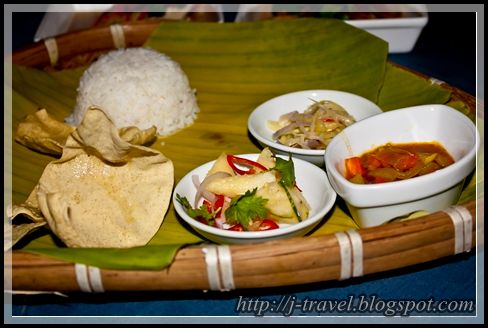
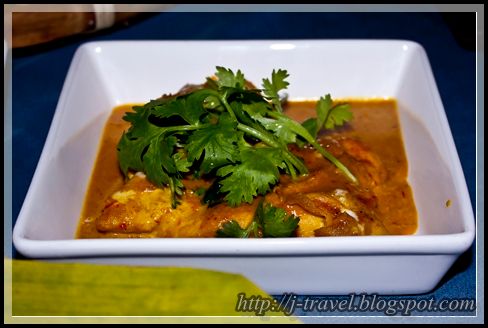
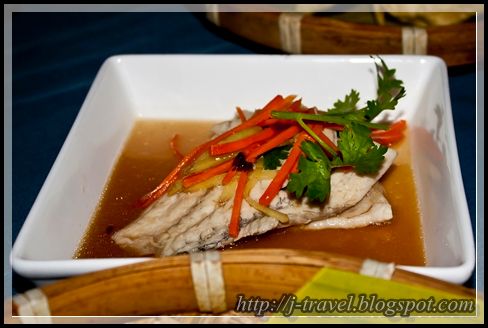
I ordered a Ayam Percik with rice and my wife had a Ikan Kukus Halia with rice. Both are Chef Recommended (on the Menu). My daughter just had a bites for both dishes, because she already had some foods before dinner...
The Chicken was a bit spicy with the Special Recipe's Curry, and the fish was fresh! We enjoyed the dinner especially at the beach with the sunset!
The Damage : MYR110.00 for 2 main course and the Tiger Beer.
Well, it was a bit pricey! I believe the ambience charge higher than the food. Haha!
Anyway, it was worth it because of the environment. :)
After about an hour hanging around, we gotta go to some others places and we have to say bye to the Restaurant and sunset!
Food rated : 4/5
Environment rated : 5/5
Related post :
* My Trip to Langkawi Island on September 2010
* Grand Continental Hotel at Kuah, Langkawi Island
* Underwater World of Langkawi Island
* Sunset Of Cenang Beach (Pantai), Langkawi Island
* The Langkawi Cable Car at Langkawi Island.
* The Famous Sky-Bridge of Mount Machinchang, Langkawi Island.
* Restoran Nasi Kandar Tomato at Cenang Beach, Langkawi Island
* The Kilim Geoforest Park of Langkawi Island
* The Eagles Feeding at Kilim Geoforest Park of Langkawi Island
* The Fish Farm at Kilim Geoforest Park of Langkawi Island
* The Bat Cave at Kilim Geoforest Park of Langkawi Island
* Wonderland Seafood Store at Kuah Town, Langkawi Island
* Hole In The Wall Floating Restaurant at Kilim Geoforest Park, Langkawi Island
David Myers: City of The Dead
The City of the Dead is produced by David Myers, a part-time photographer who lives in Maryland and works in Washington DC.
The City of the Dead is a four mile long cemetery (a necropolis would be a better word to describe it) which extends from the northern to southern part of Cairo. It's called el-arafa by Egyptians, and is an area of tombs and mausoleums where people live and works amongst the dead. Its foundation dates back to the Arab conquest of Egypt in 642 AD, and has grown with time until it reached the equivalent of a fully functioning residential suburb of Cairo.
I watched this short photo essay, and it brought back childhood memories when, once a year during the Eid festival, I had to accompany my father to pay respects to our ancestors and forebears who were interred in our family's mausoleum. I still recall it being as large as a couple of basketball courts, with two house-like structures sheltering a number of mausoleums, made of marble or alabaster, and intricately carved with verses of the Qur'an. It is under one of those that my father rests, alongside his forebears. The marble gateway to the mausoleums is carved with the name of my grandfather...which is like mine.
This brought back the smell of dust to my nostrils...the Egyptian dust that is tamped down by hosing it with water...the green-grey color of the palm tree leaves...and much more.
I've been to many Islamic countries and heard the adan in all of them...but few of them come close to beauty and purity of the Egyptian adan. Perhaps I am biased....
David Myers: City of The Dead
The City of the Dead is produced by David Myers, a part-time photographer who lives in Maryland and works in Washington DC.
The City of the Dead is a four mile long cemetery (a necropolis would be a better word to describe it) which extends from the northern to southern part of Cairo. It's called el-arafa by Egyptians, and is an area of tombs and mausoleums where people live and works amongst the dead. Its foundation dates back to the Arab conquest of Egypt in 642 AD, and has grown with time until it reached the equivalent of a fully functioning residential suburb of Cairo.
I watched this short photo essay, and it brought back childhood memories when, once a year during the Eid festival, I had to accompany my father to pay respects to our ancestors and forebears who were interred in our family's mausoleum. I still recall it being as large as a couple of basketball courts, with two house-like structures sheltering a number of mausoleums, made of marble or alabaster, and intricately carved with verses of the Qur'an. It is under one of those that my father rests, alongside his forebears. The marble gateway to the mausoleums is carved with the name of my grandfather...which is like mine.
This brought back the smell of dust to my nostrils...the Egyptian dust that is tamped down by hosing it with water...the green-grey color of the palm tree leaves...and much more.
I've been to many Islamic countries and heard the adan in all of them...but few of them come close to beauty and purity of the Egyptian adan. Perhaps I am biased....
Esther Havens: Ethiopia
It's very easy to like and admire Esther Havens. She is a humanitarian documentary photographer who focuses on social-awareness campaigns with Non Profit Organizations around the world, and spent the past two years capturing stories on water projects in Kenya, Rwanda, Uganda, Haiti and Central African Republic.
She traveled to over 40 countries and, as she says "...seeks to open hearts and minds to see the third world conditions in a way that might challenge them to make a difference".She's especially supportive of charity:water, which she urges everyone to support.
Her website has many galleries of her travels to Ethiopia, Uganda, CAR, Iraq, Rwanda, Mozambique, Jordan, Nicaragua, India and others in Asia and South America.
The above photograph is from Esther's Ethiopia gallery.
Esther Havens: Ethiopia
It's very easy to like and admire Esther Havens. She is a humanitarian documentary photographer who focuses on social-awareness campaigns with Non Profit Organizations around the world, and spent the past two years capturing stories on water projects in Kenya, Rwanda, Uganda, Haiti and Central African Republic.
She traveled to over 40 countries and, as she says "...seeks to open hearts and minds to see the third world conditions in a way that might challenge them to make a difference".She's especially supportive of charity:water, which she urges everyone to support.
Her website has many galleries of her travels to Ethiopia, Uganda, CAR, Iraq, Rwanda, Mozambique, Jordan, Nicaragua, India and others in Asia and South America.
The above photograph is from Esther's Ethiopia gallery.
Tuesday, September 28, 2010
My Work: Bali: Ngaben (Cremation Ceremony)
Here's the first of a number of audio-slideshows of Balinese traditional events which I worked on following my return from my Bali: Island of Odalan Photo~Expedition ™
Ngaben: Cremation Ceremony is a thematic multimedia photo-essay of black and white stills and ambient sound of a cremation ceremony for 6 villagers held on August 11, 2010 in Blahbatuh. The actual cremation was almost a whole day event, and was preceded by a ceremony of remembrance at one of the villagers' homes during which food and drinks were partaken by the families, villagers, friends, neighbors and whoever else wanted to share in the occasion.
While Balinese Brahmins and its wealthier class cremate their dead as soon as death occurs, the poor need to accumulate funds to do the same for their dead...and frequently organize group cremations to spread the costs. This means that years can pass before their dead are finally cremated. The Balinese Hindu tradition calls for bodies to be cremated in order to free the soul from all worldly ties, and as such the cremations are usually bitter-sweet occasions, since it provides closure to families.
During this event, some bodies were exhumed just before the cremation, bones and skeletons were washed...and these remains were put in coffins placed in sarcophagi fashioned in the form of bulls. These are called wadah or lembu that are made of bamboo, papier mache and cotton fabric. The climax of Ngaben is the burning of the structures and the bodies.
During other cremations I've attended, fire accelerants were used to speed up the process. On this occasion, I didn't see any.
The audio slideshow is also iPad-compatible.
My Work: Bali: Ngaben (Cremation Ceremony)
Here's the first of a number of audio-slideshows of Balinese traditional events which I worked on following my return from my Bali: Island of Odalan Photo~Expedition ™
Ngaben: Cremation Ceremony is a thematic multimedia photo-essay of black and white stills and ambient sound of a cremation ceremony for 6 villagers held on August 11, 2010 in Blahbatuh. The actual cremation was almost a whole day event, and was preceded by a ceremony of remembrance at one of the villagers' homes during which food and drinks were partaken by the families, villagers, friends, neighbors and whoever else wanted to share in the occasion.
While Balinese Brahmins and its wealthier class cremate their dead as soon as death occurs, the poor need to accumulate funds to do the same for their dead...and frequently organize group cremations to spread the costs. This means that years can pass before their dead are finally cremated. The Balinese Hindu tradition calls for bodies to be cremated in order to free the soul from all worldly ties, and as such the cremations are usually bitter-sweet occasions, since it provides closure to families.
During this event, some bodies were exhumed just before the cremation, bones and skeletons were washed...and these remains were put in coffins placed in sarcophagi fashioned in the form of bulls. These are called wadah or lembu that are made of bamboo, papier mache and cotton fabric. The climax of Ngaben is the burning of the structures and the bodies.
During other cremations I've attended, fire accelerants were used to speed up the process. On this occasion, I didn't see any.
The audio slideshow is also iPad-compatible.
Monday, September 27, 2010
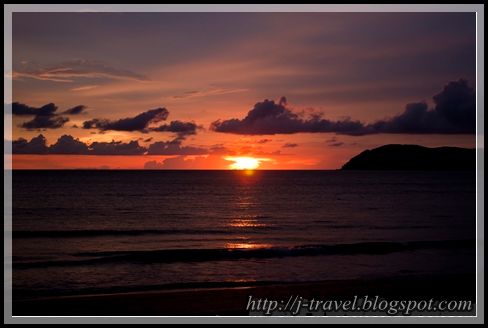
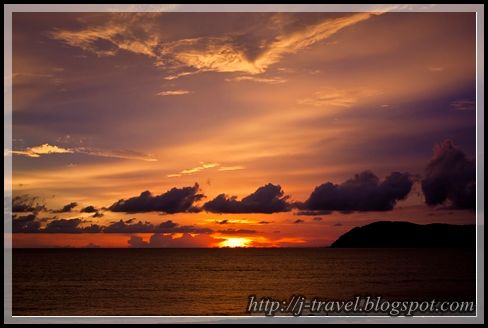
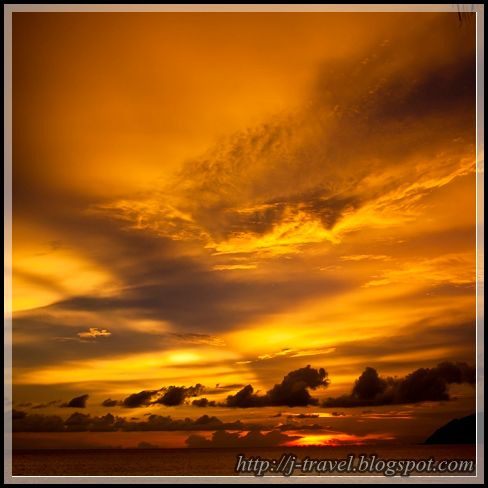
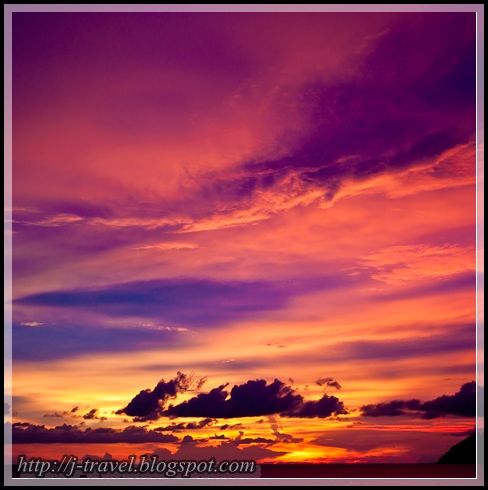
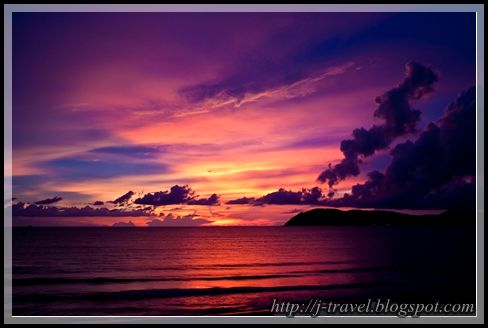
Sunset Of Cenang Beach (Pantai), Langkawi Island
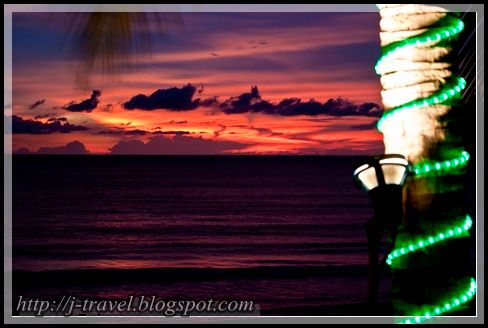
I ordered a glass of Tiger Beer (MYR8.00) and started to snap the Beautiful sunset photos of the beach!
I was happy because be able to took the Breathtaking sunset scene from Cenang Beach of Langkawi Island. My beer was not as cold as it served because I was totally attracted my the sunset and forgot to drink...:)
Related post :
* My Trip to Langkawi Island on September 2010
* Grand Continental Hotel at Kuah, Langkawi Island
* Underwater World of Langkawi Island
* The Lighthouse Restaurant at Tengah Beach (Pantai), Langkawi Island
* The Langkawi Cable Car at Langkawi Island.
* The Famous Sky-Bridge of Mount Machinchang, Langkawi Island.
* Restoran Nasi Kandar Tomato at Cenang Beach, Langkawi Island
* The Kilim Geoforest Park of Langkawi Island
* The Eagles Feeding at Kilim Geoforest Park of Langkawi Island
* The Fish Farm at Kilim Geoforest Park of Langkawi Island
* The Bat Cave at Kilim Geoforest Park of Langkawi Island
* Wonderland Seafood Store at Kuah Town, Langkawi Island
* Hole In The Wall Floating Restaurant at Kilim Geoforest Park, Langkawi Island